As housing prices rise and multigenerational living becomes more common, Accessory Dwelling Units (ADUs) have become a smart and flexible solution for homeowners looking to increase livable space, boost income, or plan for the future. Whether you’re considering a garage conversion ADU, a detached ADU, or even a basement apartment, understanding what goes into ADU planning and construction is key to making the right decision.
What is an ADU?
An Accessory Dwelling Unit—also called an accessory apartment, secondary unit, or guest house—is an independent housing unit located on the same property as a primary residence. These can be attached ADUs (sharing a wall with the main house), detached ADUs (separate structures), or junior ADUs (smaller spaces like converted basements or garages).
Is an ADU Right for You?
Before breaking ground on a new ADU unit, consider the following:
-
Zoning and Local Regulations
Check with your local planning department and review regulations from organizations like the American Planning Association. Zoning laws determine if an ADU is allowed on your lot, what type (attached vs. detached), and where it can be placed. If your home is part of a homeowners association (HOA), review their policy to ensure compliance.
-
Use Case
Think about how you plan to use the ADU:
- Rental income to offset your mortgage or refinance your home
- A basement apartment or guest house for extended family
- An office or studio for work-from-home flexibility
- Future senior living for aging in place or caregiving
-
Costs and Financing
ADU cost depends on design, size, and site conditions. While prefab ADU cost options are often more budget-friendly, custom builds may be better suited for unique spaces. On average, a 500 sq ft ADU costs less than a full renovation or home addition, though a 1200 sq ft ADU cost can rival a small home.
Common financing options include:
- Home equity loans
- Construction loans
- Refinancing your mortgage
Work with your contractor and lender to determine the best approach for your budget and goals.
Benefits of Building an ADU
Adding an ADU isn’t just about adding square footage—it’s about adding value, flexibility, and functionality to your property. Key advantages include:
- Affordable housing for family members or renters
- Return on investment through long-term rental income
- Increased property value
- Efficient use of existing infrastructure
- Opportunities to contribute to housing supply shortages
You may also be eligible for tax incentives or local grant programs that encourage ADU development.
Common ADU Types
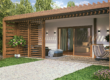
Detached ADU: A stand-alone unit, such as a backyard cottage
Attached ADU: Built as an extension to your existing home
Garage Conversion ADU: Turn your existing garage into a living space
Junior ADU: Typically under 500 sq ft, built within the existing structure
Prefab/Modular ADUs: Factory-built units delivered and assembled on site
ADU Planning Considerations
Proper planning ensures the ADU fits both your lifestyle and your property. Consider:
- Infrastructure access (water, sewer, electricity)
- Privacy between the primary residence and the ADU
- Accessibility for older adults or people with disabilities
- Design cohesion with the architectural style of your home
- Permitting and inspections to meet local building codes
Why Work with a Professional ADU Contractor?
ADU projects involve detailed planning, permitting, and construction processes. A licensed and experienced ADU contractor like JAX Home Construction helps streamline the process by:
- Navigating zoning laws and code compliance
- Providing detailed ADU plans and cost estimates
- Managing design, build, and inspections
- Ensuring long-term durability and return on investment
From custom ADU homes to modular and prefab ADUs, we’ve helped countless homeowners in Arvada, CO, add valuable space without sacrificing aesthetics or performance.
Ready to Start Your ADU Project?
Whether you’re dreaming of a stylish backyard cottage, converting your garage into a rental, or creating a space for your loved ones, JAX Home Construction is your local expert for ADU planning, design, and construction.
Contact us today to schedule a consultation and explore custom ADU options tailored to your goals.
Frequently Asked Questions
- How much does an ADU cost to build?
The cost varies depending on the size, type (attached, detached, garage conversion), and design. A 500 sq ft ADU might cost significantly less than a 1200 sq ft unit. Prefab and modular ADUs can offer savings compared to custom construction. - Can I rent out my ADU?
Yes, in most areas. Renting your ADU can provide additional income, helping you manage your mortgage or justify a renovation loan. Always check local regulations and zoning policies first. - What’s the difference between a prefab ADU and a custom-built one?
Prefab or modular ADUs are manufactured off-site and assembled on your property. Custom builds are designed and constructed from scratch. Prefab options tend to be quicker and more affordable, while custom ADUs offer more design flexibility. - Do I need a permit to build an ADU?
Yes. Every ADU project requires permitting to ensure compliance with zoning laws and building codes. A general contractor can manage this process for you. - Can I build an ADU on any property?
Not necessarily. Zoning, lot size, and infrastructure access all play a role. Consulting with a contractor and your city’s planning department will help determine if your property qualifies. - Will adding an ADU increase my property value?
In most cases, yes. ADUs add a self-contained living unit that increases usable square footage and provides rental or multigenerational living potential—both of which improve resale value.